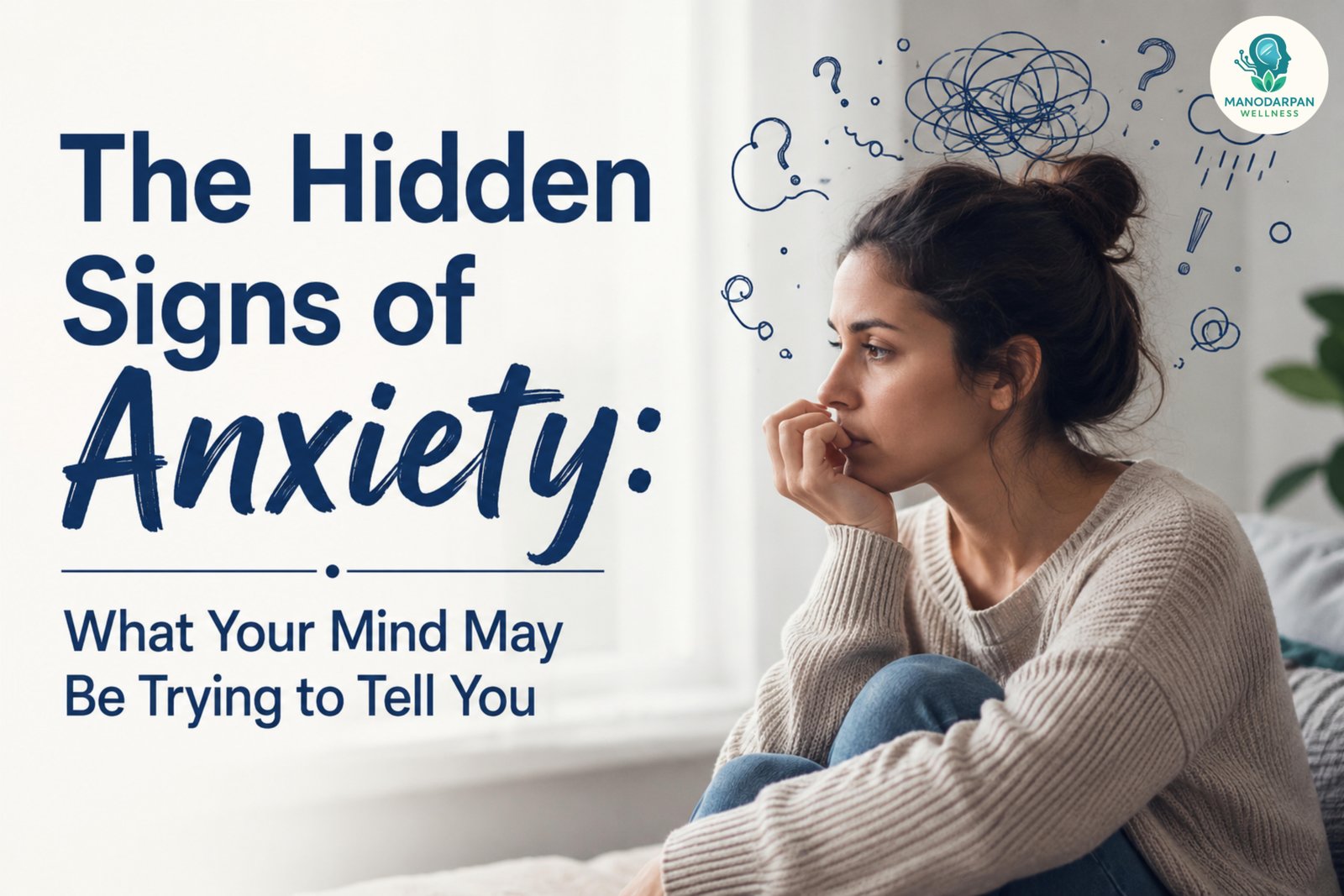
The Hidden Signs of Anxiety: What Your Mind May Be Trying to Tell You
- 18 Jun 2026
- anxiety, anxiety symptoms, hidden signs of anxiety...
Anxiety is often misunderstood. Many people believe it only means feeling nervous before an important event or worrying about the future. In reality, anxiety can show up in subtle ways that are easy to overlook.
You may feel constantly tired, struggle to concentrate, overthink every conversation, or feel overwhelmed by simple daily tasks. These experiences are often dismissed as "just stress," but they can sometimes be signs that your mind is asking for attention.
Understanding anxiety is the first step toward managing it. The sooner we recognize its signs, the sooner we can take meaningful steps to protect our mental wellbeing.
What is Anxiety?
Anxiety is a natural response to stress. It helps us stay alert during challenging situations. However, when feelings of fear, worry, or nervousness become frequent, intense, or begin interfering with daily life, they may indicate an anxiety-related concern.
Anxiety affects not only your thoughts but also your emotions, physical health, and behavior. It can make everyday situations feel far more difficult than they actually are.
Hidden siqns of Anxiety:
Many people experience anxiety without realizing it because the symptoms are not always obvious.
Constant Overthinking:
Do you replay conversations in your mind?
Do you constantly wonder if you said the wrong thing?
Overthinking is one of the most common signs of anxiety. Instead of finding solutions, the mind keeps creating new worries.
Feeling Tired All the Time:
You slept for eight hours, yet you still wake up exhausted.
An anxious mind rarely gets proper rest because it is constantly processing thoughts, worries, and "what if" scenarios.
Mental exhaustion often feels just as draining as physical exhaustion.
Difficulty Relaxing:
Even when there is nothing urgent to do, your mind refuses to slow down.
Many people with anxiety find it difficult to simply sit quietly because their thoughts continue racing.
Avoiding Social Situations:
You may start cancelling plans, avoiding phone calls, or choosing isolation because social interactions feel emotionally overwhelming.
Sometimes it isn't that you dislike people—you simply don't have the mental energy.
Physical Symptoms:
Anxiety doesn't only affect the mind.
It may also cause:
- A racing heartbeat
- Muscle tension
- Headaches
- Digestive discomfort
- Restlessness
- Trouble sleeping
These physical symptoms are often connected to prolonged emotional stress.
What Causes Anxiety?
There isn't always one specific reason.
Several factors can contribute, including:
- Workplace pressure
- Academic stress
- Financial worries
- Family expectations
- Relationship challenges
- Social media comparison
- Major life changes
- Unresolved emotional experiences
Often, anxiety develops gradually rather than appearing overnight.
How to support your mental wellbeing:
While everyone's journey is different, these simple habits can help reduce mental stress.
Practice Mindful Breathing:
Taking slow, deep breaths helps calm the nervous system during stressful moments.
Reduce Information Overload:
Limit unnecessary scrolling and constant exposure to negative news or comparisons.
Prioritize Sleep:
A well-rested mind is better equipped to manage emotions and daily challenges.
Stay Physically Active:
Even a 20-minute walk can improve mood and reduce stress.
Talk About Your Feelings:
Sharing your thoughts with someone you trust can make emotional burdens feel lighter.
Seek Professional Support:
If anxiety is affecting your relationships, work, studies, or everyday life, speaking with a mental health professional can help you better understand and manage your emotions.
You don't have to go through it alone:
Many people believe they need to solve everything on their own. But asking for help isn't a sign of weakness—it is a sign of self-awareness.
At Manodarpan Wellness, experienced mental health professionals provide online consultations in a safe, confidential, and supportive environment. Whether you're struggling with anxiety, stress, or emotional overwhelm, the right guidance can help you move toward a healthier and calmer mindset.
Conclusion:
Anxiety doesn't always look dramatic. Sometimes it appears as endless overthinking, constant fatigue, irritability, or the feeling that your mind never truly gets a chance to rest.
Ignoring these signs won't make them disappear. Instead, paying attention to your emotional wellbeing and seeking support when needed can make a meaningful difference in your quality of life.
Remember, taking care of your mental health is not a luxury—it's a necessity. Just as you would seek medical care for physical pain, your emotional wellbeing deserves the same compassion and attention.
The first step doesn't have to be perfect. It simply has to begin.


